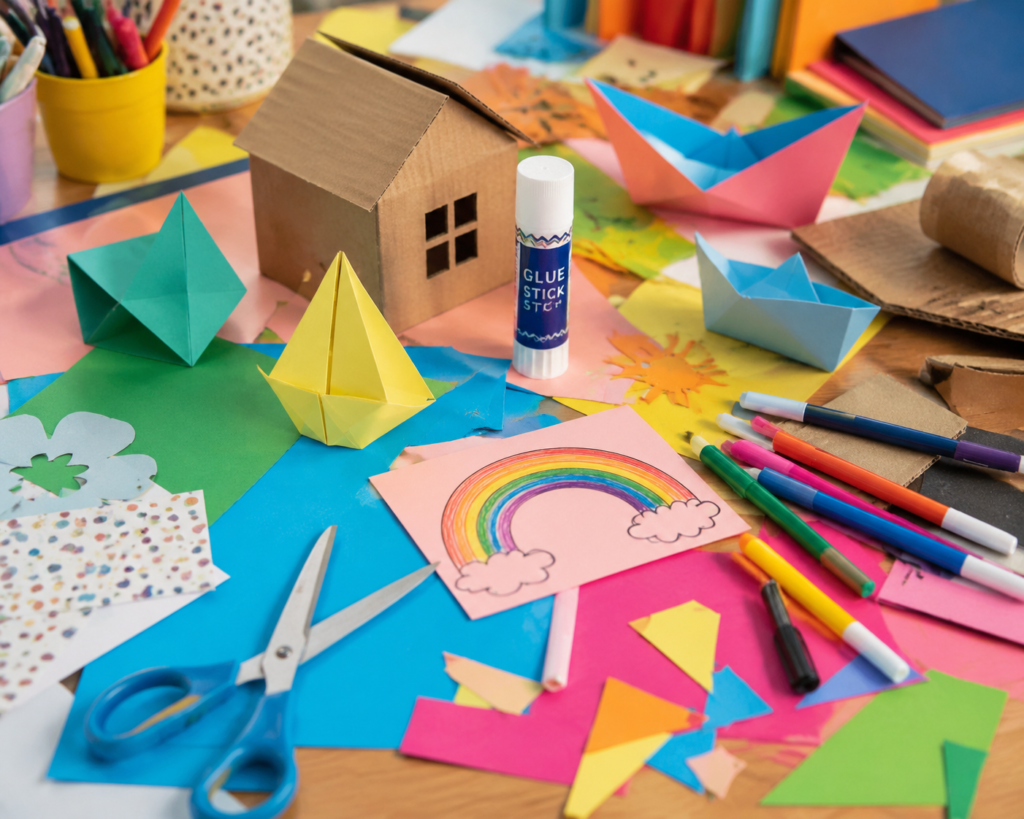
Paper craft is proof that boredom can be negotiated!
There is something almost magical about paper.
It is ordinary enough to be ignored. It lies quietly in notebooks, wraps suya, carries receipts, sits inside printers, and occasionally becomes the unfortunate victim of a child trying to remove a stubborn stain from a table. Yet in the right hands, paper can become almost anything: a flower, a card, a miniature house, a paper aeroplane, a small business plan, a love letter, a protest sign, a wedding invitation, or the beginning of somebody’s brilliant idea.
Paper does not look like much at first. That is its secret. It does not shout. It does not come with a complicated manual, an app update, or a subscription fee. It simply waits.
And perhaps that is why paper remains one of the most powerful invitations to creativity.
Paper Is Not Just Paper
For many Nigerians, paper has always had more than one life.
It may begin as an exercise book, then become a rough sheet for calculations. Later, it becomes a list for the market, then maybe a wrapper for akara, before finally being folded into something useful for the kitchen. Nigerian paper is not lazy. It works overtime.
We have used paper to make fans during heat, cover books during school resumption, write “urgent 2k” notes to our parents, create makeshift football scoreboards, and fold tiny notes passed between classmates who were supposedly paying attention in class.
Some of us also remember making paper balls in school…not for science, not for art, but for throwing at our friends when the teacher turned to write on the board. That too was creativity, although the disciplinary committee may have had a different name for it.
Paper has always been around us. The question is whether we still see it as a material for imagination, or merely as something to write on and throw away.
Creativity Often Begins with What Is Available
There is a popular belief that creativity needs expensive equipment: a studio, an iPad, special tools, imported materials, and a table that looks like it belongs in a Pinterest post.
But creativity has never really waited for perfect conditions.
A child with paper, glue, scissors and a little freedom can build an entire city before lunch. A teenager can create greeting cards, miniature furniture, comic strips, masks, jewellery, decorations, toy cars, paper flowers, or models of buildings with nothing more than cardboard and determination.
Paper teaches an important lesson: you do not always need more resources before you begin. Sometimes, you need to look at what is already in front of you differently.
A cereal box can become a school project. Old newspapers can become papier-mâché art. Cardboard can become a phone stand, a small storage box, or a model house. An empty carton can become a miniature shop, a bus, a classroom, or, depending on the ambition of the child involved, a full shopping mall with parking space.
The materials may be simple, but the imagination behind them is not.
The Lost Art of Making Things with Our Hands
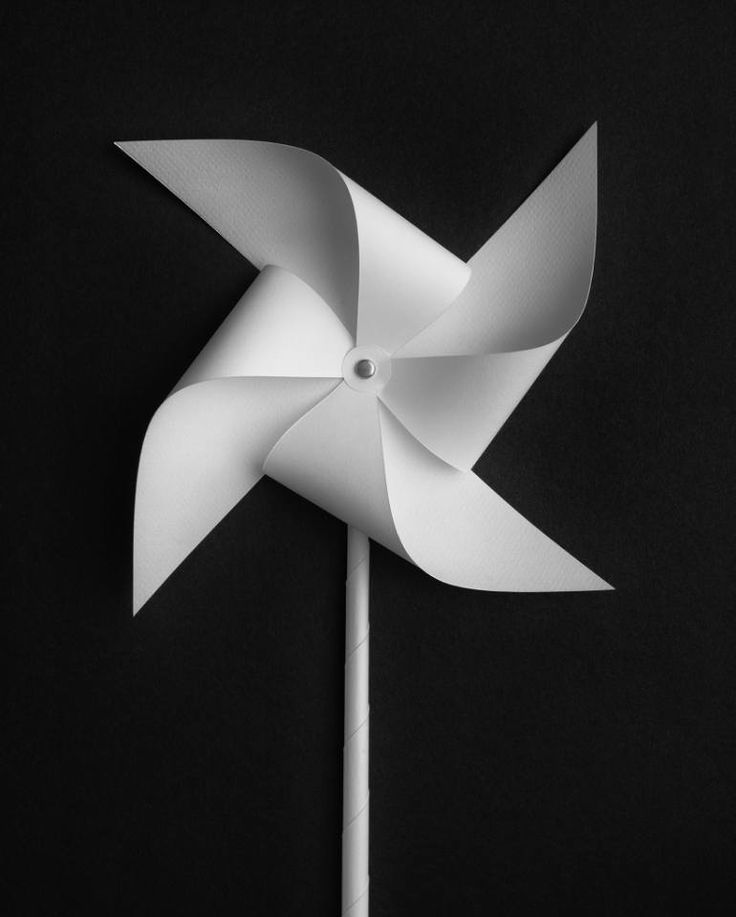
Somewhere along the line, many of us became excellent consumers of creativity but shy producers of it.
We watch people build miniature houses online. We admire handmade cards. We save videos of people creating paper flowers, cardboard furniture, tiny kitchens, paper dolls, and beautiful wall decorations. We say things like, “Wow, this is so nice,” then scroll past and continue watching somebody else use their imagination.
But we also have free will.
We are allowed to pause, pick up paper, and make something slightly unnecessary but completely delightful.
We do not always exercise that freedom enough.
Imagine if more of us did. Imagine Nigerian homes with little cardboard models on tables: mini danfo buses, tiny kiosks, paper versions of our dream houses, miniature classrooms, small restaurants, market stalls, studios, offices, and even perfectly organised estates with no drainage problem in sight.
Imagine children building paper models of their communities, not because they have been forced to submit a school project by Monday morning, but because they are curious about how things work.
Imagine adults too, making things simply because they can.
Not every act of creativity has to become a business. Not every handmade object needs to be posted online. Not every craft needs to be perfect enough for an exhibition.
Sometimes, making something with paper is enough because it reminds you that your hands can still turn an idea into something real.
Paper Gives Us Permission to Experiment
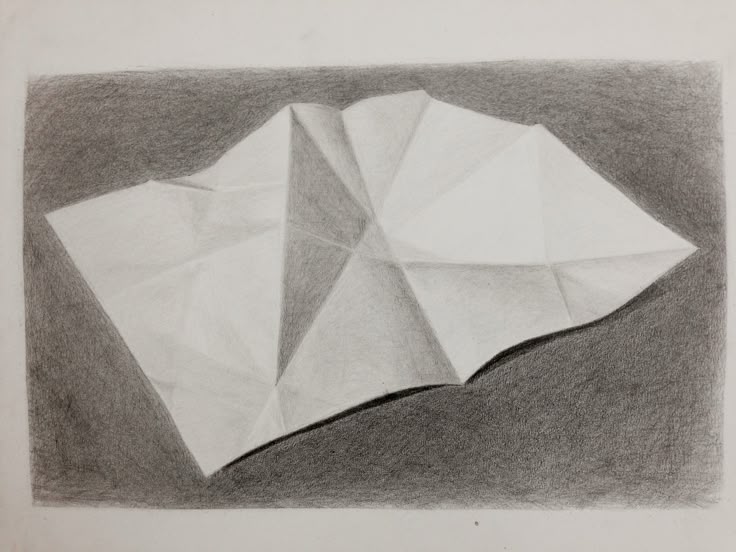
One reason paper is such a beautiful creative material is that it is forgiving.
You can fold it wrongly, unfold it, cut another piece, tape it back, start again, or pretend that the mistake was part of the design from the beginning. Paper understands human beings. It knows that not every masterpiece begins with confidence.
With paper, mistakes do not have to be expensive.
You can try making a paper flower and end up with something that looks like a confused vegetable. You can attempt a miniature chair and create an object that seems more suitable for ants. You can build a paper house that collapses after thirty seconds. None of this is failure. It is evidence that you tried.
Creativity grows through trial, adjustment and the courage to look slightly foolish before getting better.
That is why paper is important. It gives us a low-risk way to imagine, test and create. It allows children to develop fine motor skills, problem-solving abilities and confidence. It allows adults to slow down, play, and rediscover the satisfaction of making something with their own hands.
In a world where almost everything arrives ready-made, paper quietly asks, “What would happen if you made it yourself?”
Craft Is Not Childish
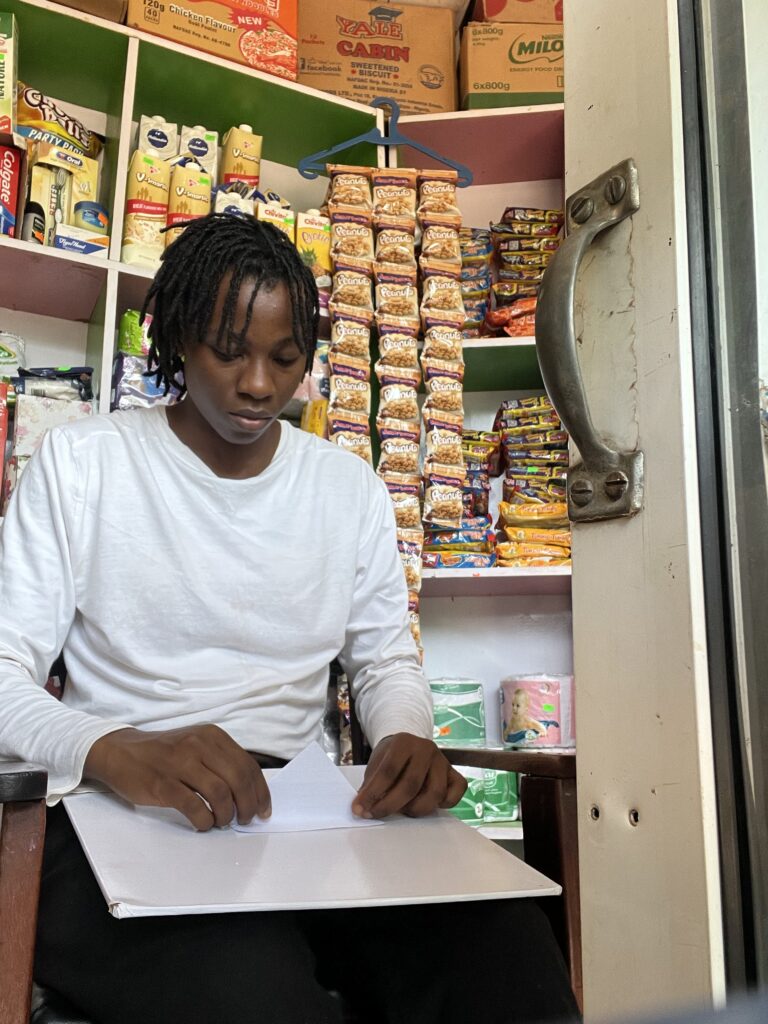
Many adults stop creating because they believe craft belongs to children.
We assume that once we have bills, work, traffic, deadlines, group chats and responsibilities, there is no more time for folding paper into birds or building cardboard furniture. We begin to treat play as a luxury.
But craft is not childish. Craft is human.
Making things by hand can help us focus, relax and reconnect with our ideas. It can give our minds a break from screens and constant notifications. It can be a way of thinking without needing to explain every thought immediately.
A person making a paper model is not “just playing.” They are learning how shapes connect. They are developing patience. They are making decisions. They are seeing possibilities inside ordinary materials.
And honestly, after a long day of Nigerian traffic, a little paper craft may be healthier than arguing with strangers in a comment section.
Paper Can Help Us Raise More Imaginative Children
Children are naturally creative, but they need room to practise.
Instead of giving them only finished toys, we can sometimes give them materials and a challenge: “Can you make a house?” “Can you create a bridge?” “Can you build a car?” “Can you design your dream school?” “Can you make a paper version of your street?”
Their answers may surprise us.
A child may create a house with six bedrooms, three swimming pools, a cinema and a special room for snacks. Another may build a school with no examinations. We should not judge them. They are visionaries.
Paper craft encourages children to think beyond memorising answers. It helps them see that they can create, improve and imagine alternatives. These are not small skills. They are the same habits that later support design, engineering, architecture, storytelling, innovation and entrepreneurship.
The next brilliant inventor may not begin with a laboratory. They may begin with cardboard, glue and the determination to build a paper helicopter that refuses to fly.
A Small Invitation to Make Something
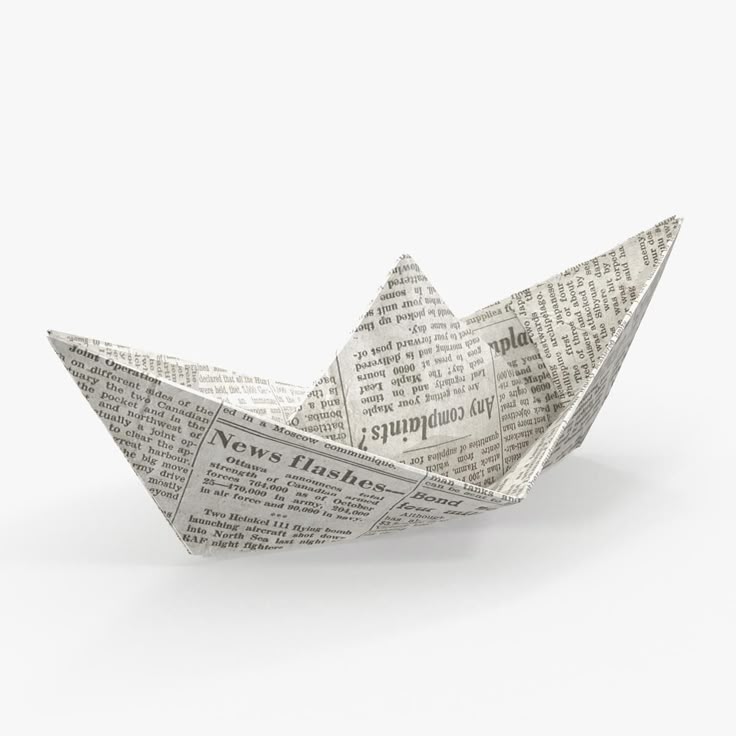
Perhaps we need to use our free will more boldly.
Not only for serious life decisions, but for small acts of creativity too.
Pick up a sheet of paper. Fold it. Cut it. Draw on it. Turn it into something. Make a paper flower for someone. Create a card instead of buying one. Build a tiny version of your dream home. Make a model of a Lagos bus, an Abuja estate, a village market, a football stadium, or a future business idea.
It may not look perfect. It may even look slightly alarming at first.
But that is fine.
Paper is not asking you to be an expert. It is asking you to begin.
Because sometimes, creativity does not arrive as a grand announcement. Sometimes, it arrives as an old cardboard box, a pair of scissors, a little glue, and the quiet realisation that you are free to make something beautiful.
Creativity begins with the right materials. If this article has inspired you to rediscover the joy of paper crafting, browse our selection of premium papers and craft supplies at Mbanugo Stores. Your next creative project could be just a click away.